





Mobility Made Measurable, Wherever Care Happens

3D Vision AI for routine care, turning everyday movement into objective measures of balance, strength, speed, and more. All from a single camera.

Our products

  1. Zero calibration. No wearables. Works offline.

    3D Gait analysis, without the lab. Objective data captured in everyday practice, supporting clinical decisions at the point of care.

    Explore 3DGait
  2. Designed for population health

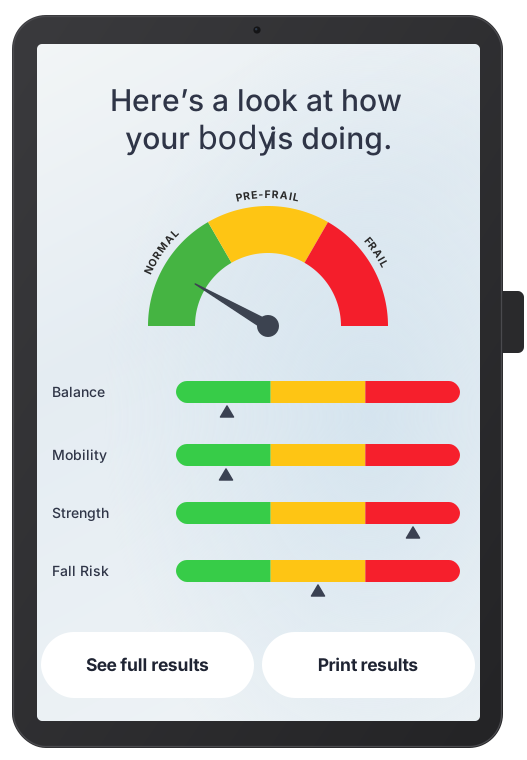
    A self-guided screening tool for busy care settings. It provides an objective frailty score, together with scores for mobility, strength, balance and fall risk, helping care teams identify individuals at risk and guide care plans.

    Explore Vis-Frailty
A person walking toward an iPad Pro on a tripod, beside the 3D reconstruction of the walk that 3DGait produces.The Vis-Frailty result on an iPad: a dial from normal to frail, with balance, mobility and strength.

How it works

  1. Record a short video of the assessment. No calibration, wearables or large space required.

  2. Results in under 2 minutes. Processed offline, so patient data stays on the device.

  3. Compare objective measurements across assessments to track progress and plan care.

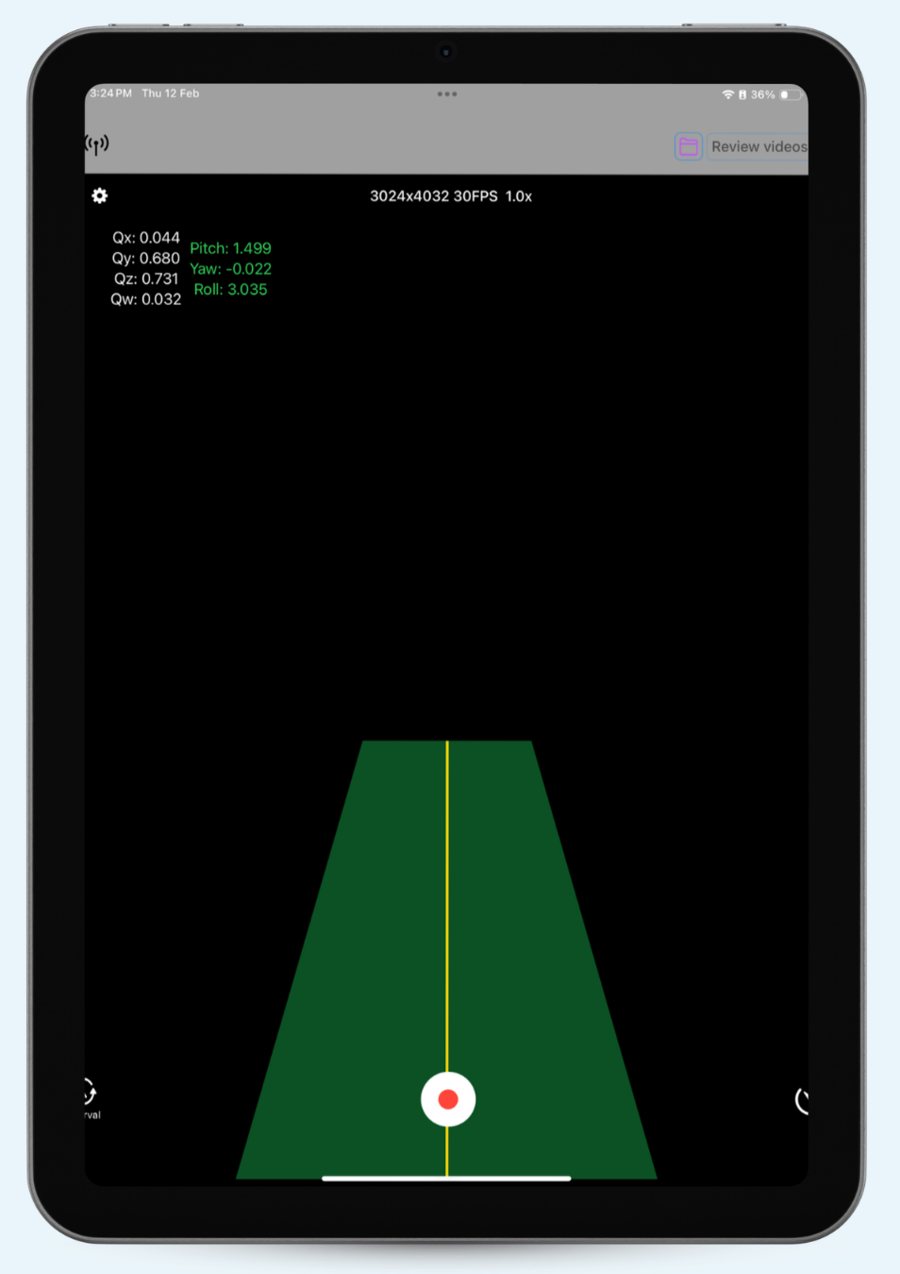
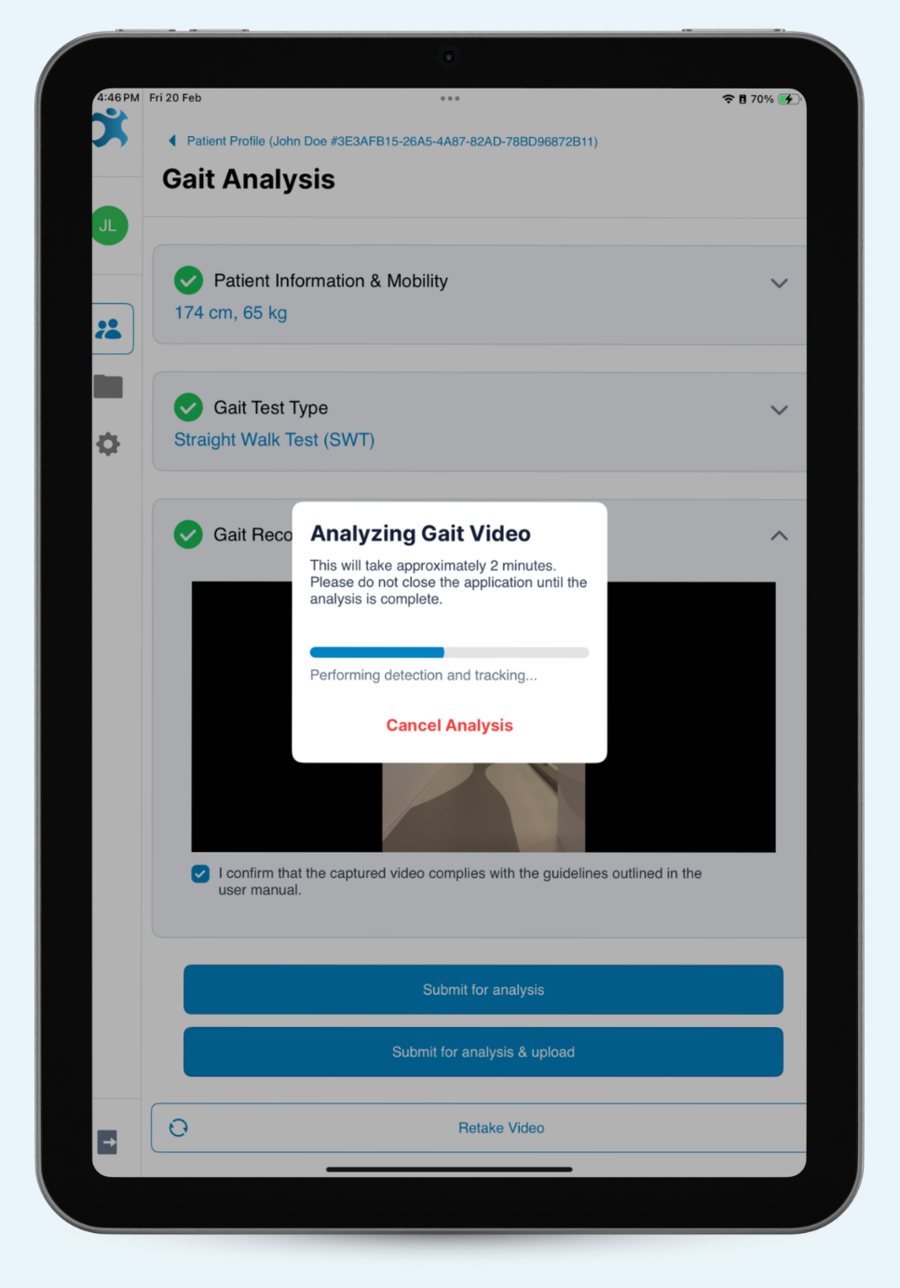
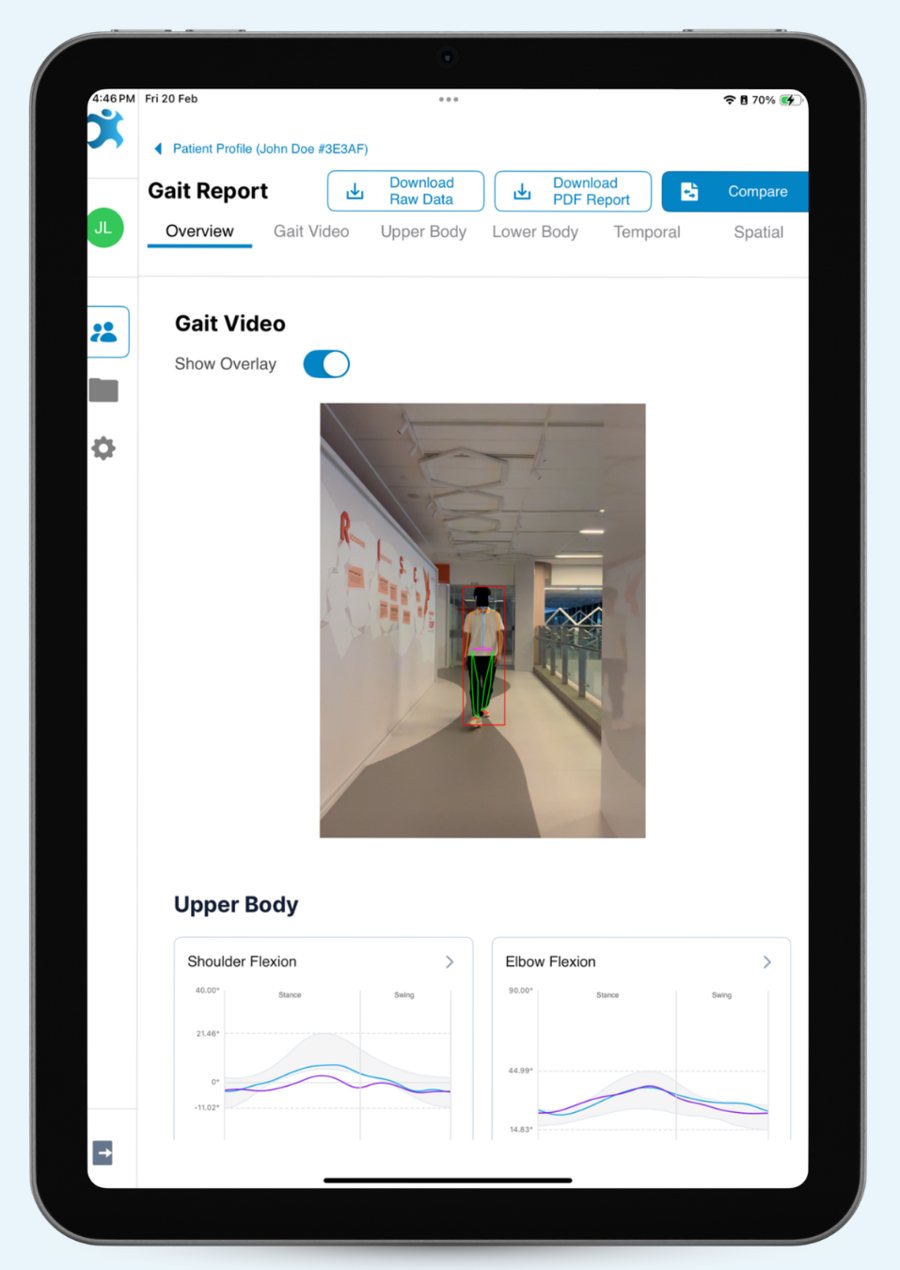
The 3DGait capture screen on an iPad: the walking path marked in green.The 3DGait app analysing a recorded walk on the iPad.A 3DGait gait report on an iPad: the recorded walk and joint-angle charts.

What clinical teams are saying

See the publications

Tan Tock Seng Hospital

“With the ageing population, more and more patients with chronic diseases need long-term rehabilitation treatment and care. 3DGait can better meet these needs.”
Dr Ong Poo Lee Consultant, Tan Tock Seng Hospital (TTSH)

NHG Polyclinics

“Vis-Frailty screening tool will provide an objective and consistent way of identifying early features of frailty before it progresses further, making it more systematic and accurate.”
Assistant Professor Sabrina Wong Deputy Director, Clinical Research Unit, NHG Polyclinics

National Neuroscience Institute

“Subjective feedback like pain levels can vary from person to person. CareCam allows us to objectively assess them, and develop better strategies for patient recovery.”
Dr Damian Lee Associate Consultant, Neurosurgery, National Neuroscience Institute (NNI)

National Heart Centre Singapore

“3DGait's advanced motion analysis will augment clinical insights from the interventional trial, providing critical information on human gait relevant to clinical care.”
Associate Professor Angela Koh Senior Consultant, National Heart Centre Singapore (NHCS)

Scale routine care across prevention and recovery

Objective insight into patients’ movement and function at the point of care, from the first visit to every follow-up, so treatment stays timely and targeted.

A physiotherapist and an older patient looking at results together on a tablet.
  • Accessible at scale

    Wherever care happens

    One iPad Pro, with no wearables or calibration. Assessments fit into existing workflows from clinic to community, so more patients can be assessed, more often, without added equipment or manpower.

  • Standardised care

    Objective and consistent

    Observation and manual tests can vary between raters and between visits. CareCam measures every assessment the same way, giving results that are repeatable across the care team.

  • Longitudinal insight

    See change over time

    Each assessment builds on the last, surfacing subtle changes in movement and function that are hard to see by eye. This helps healthcare professionals intervene earlier and adjust care with greater confidence.

Clinical Applications

Physiotherapy · Primary Care

  • More than a timed test: detailed gait insights that add depth to standard assessments.
  • Consistent every time: the same measurement for every patient and every assessor.
  • Built for routine care: results in under 2 minutes, with no wearables or large space needed.
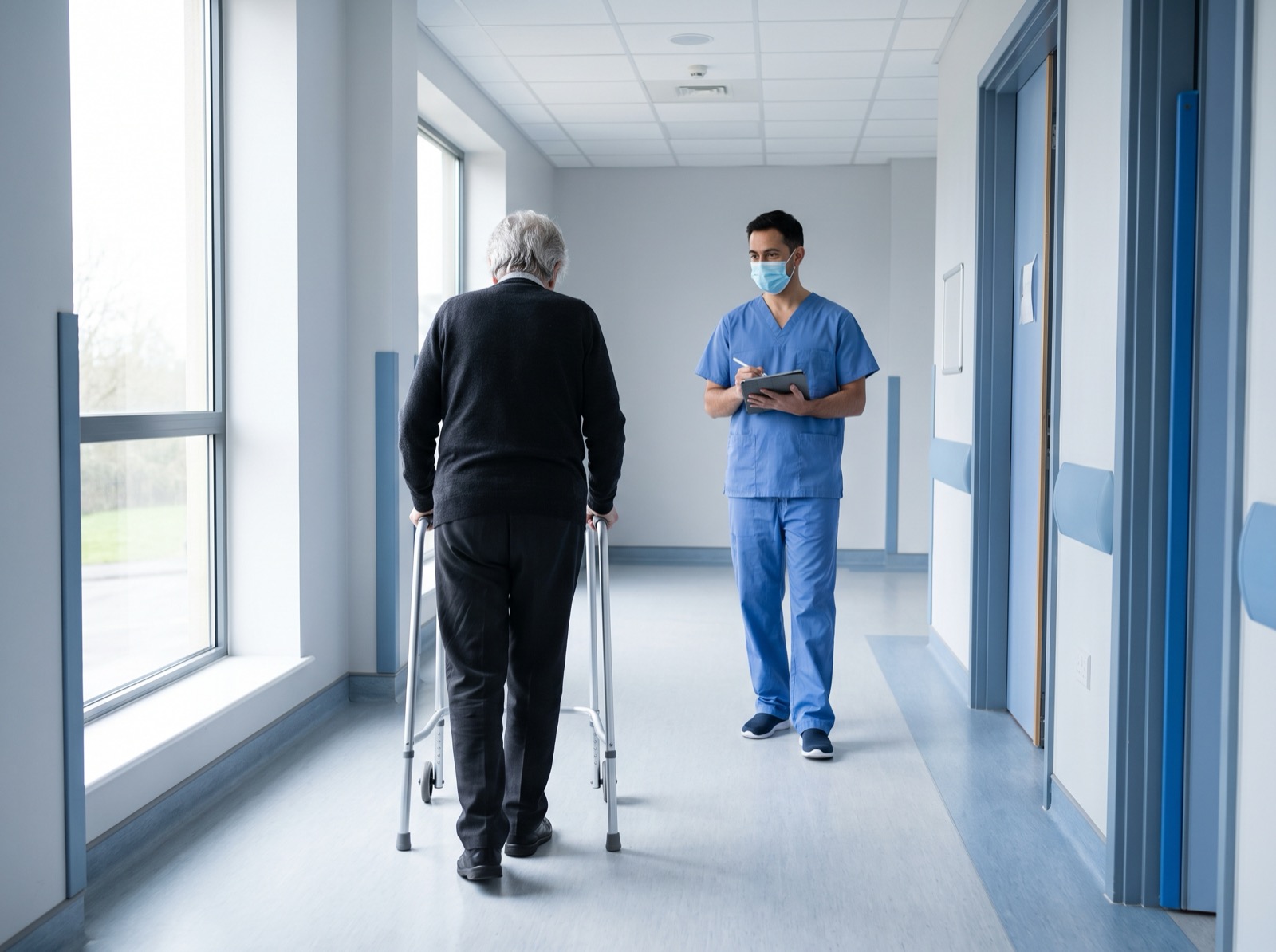
An older adult walking a clinic corridor during a mobility assessment.

Primary Care · Community Care

  • Scalable screening: quick enough to reach large populations in primary care and the community.
  • Self-guided: runs on its own, freeing care teams to focus on follow-up.
  • A fuller picture: an objective frailty score, with insight into mobility, strength, balance and fall risk.
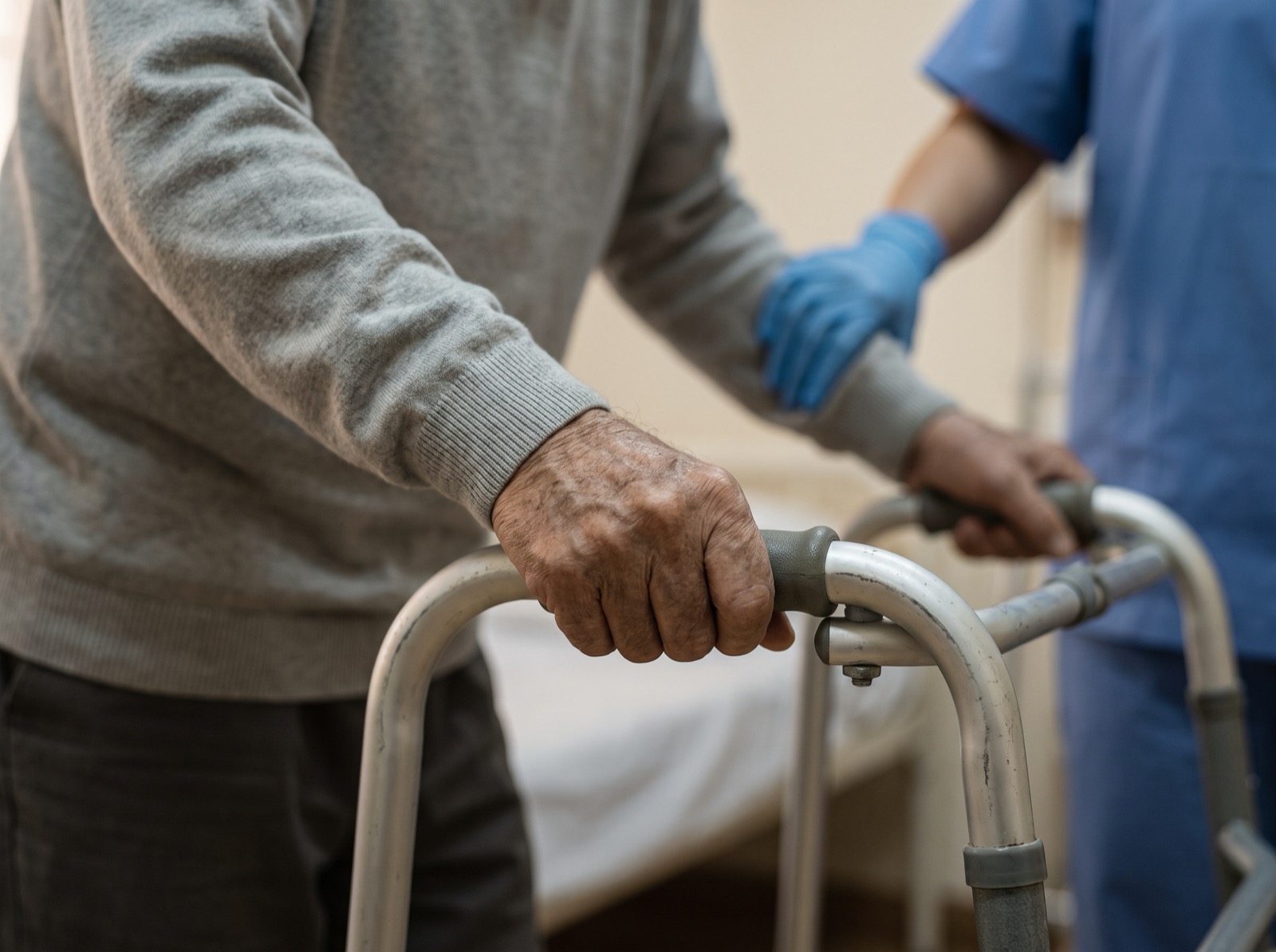
An older adult's hands on a walking frame.

Inpatient / Outpatient Rehabilitation

  • Progress made visible: objective measurements that show how mobility and function change through rehabilitation.
  • Asymmetry at a glance: left and right compared directly, revealing differences that are hard to see by eye.
  • Continuity of care: consistent assessment from the ward to the community.
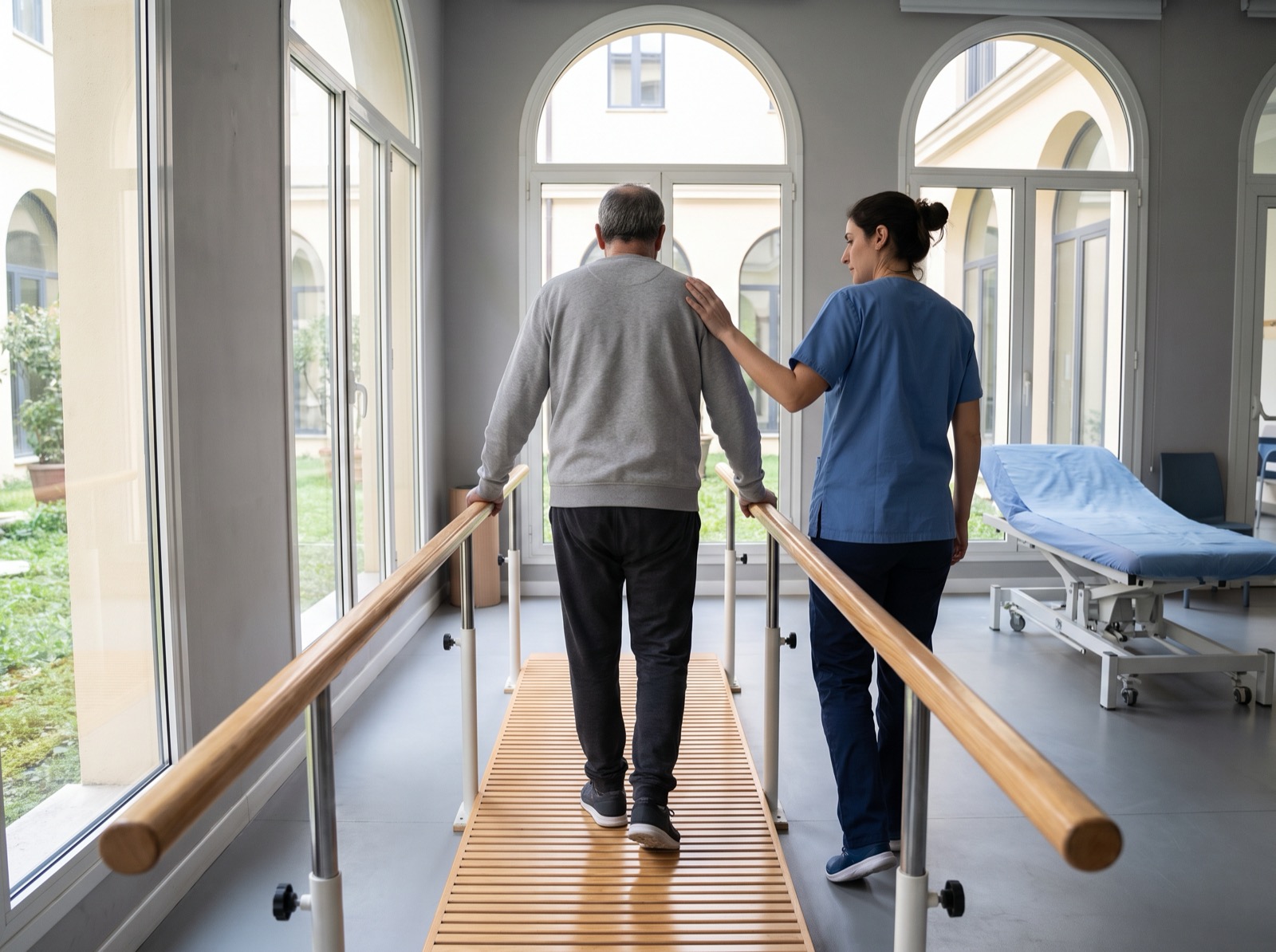
A therapist supporting a patient walking between parallel bars.

Pre-operative / Post-operative Care

  • Starts before surgery: a pre-operative baseline becomes the reference point for every assessment that follows.
  • Recovery, measured: consistent follow-up from the first weeks after surgery through to return to daily activities.
  • Complements self-reporting: objective measures alongside patient-reported outcomes.
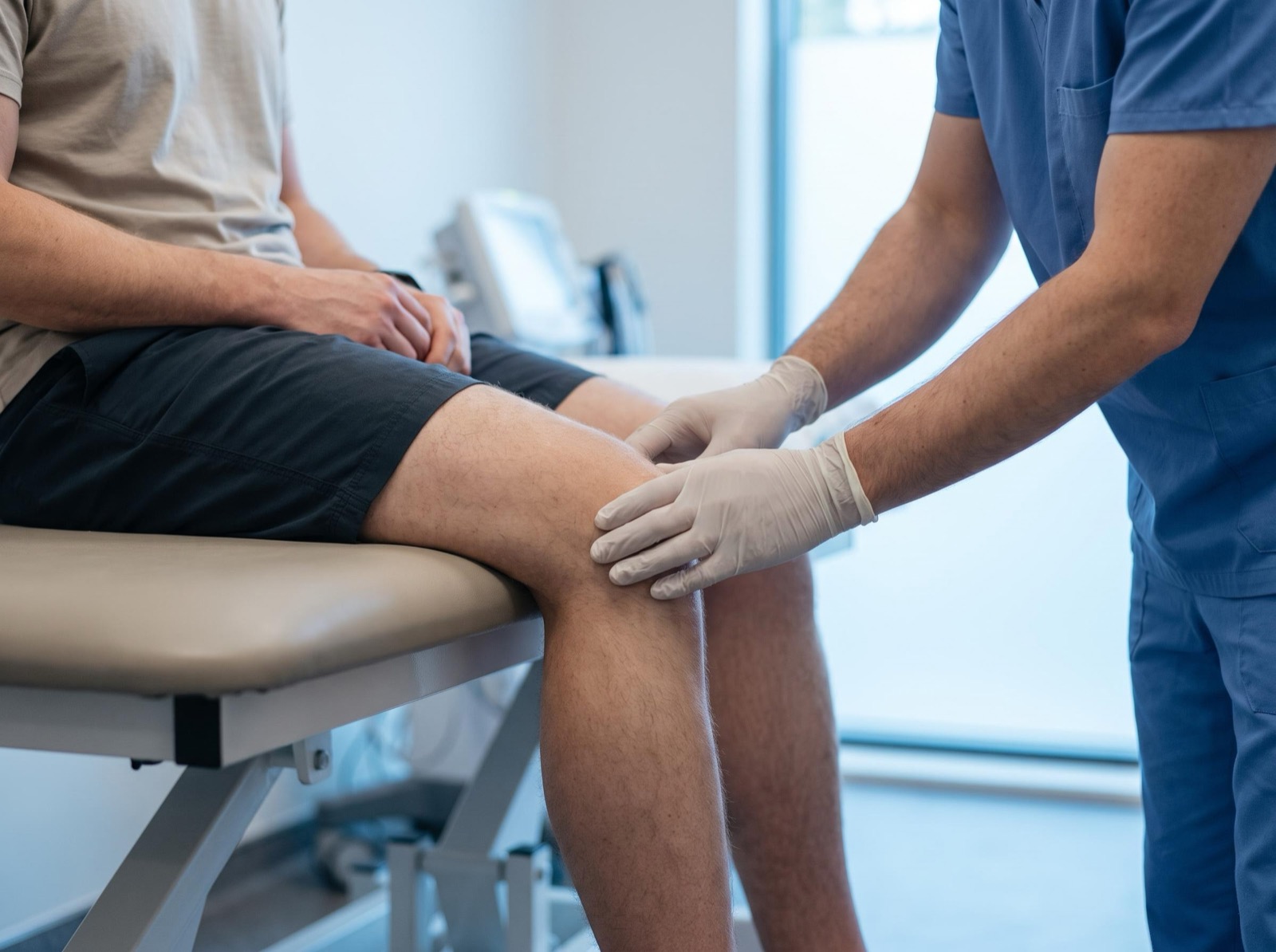
A clinician examining a patient's knee.

Advancing healthcare with leading institutions and researchers

See our partners

Let’s discuss the best options for your care team