

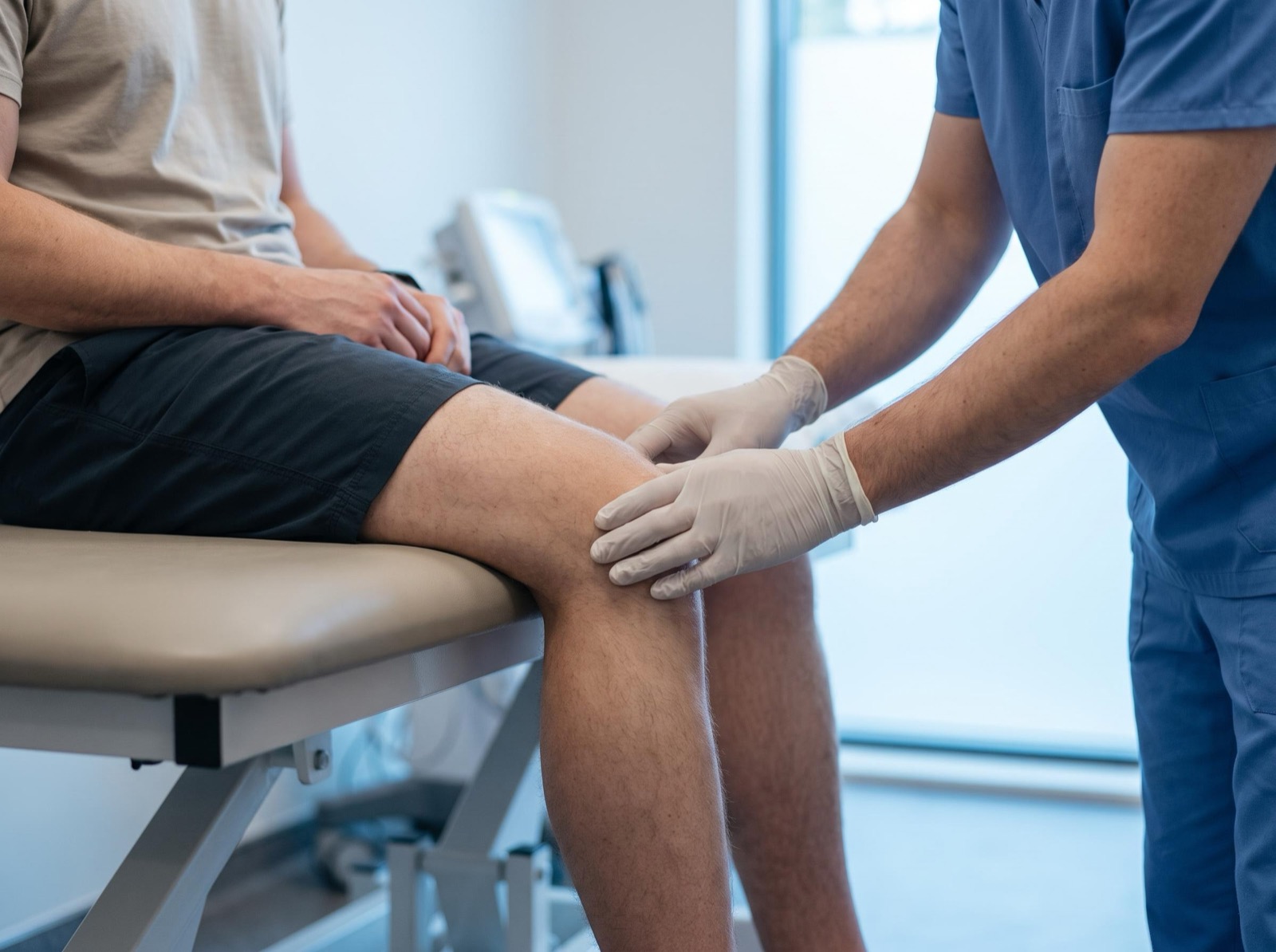
Orthopaedic & Spinal
-
1 camera
No calibration or wearables
-
2 minutes
Processed offline, on the device
-
50+ measurements
Angular, spatial and temporal insights
Supporting assessment before and after surgery
- Hospitals: assessment before and after surgery, and support for discharge planning
- Prosthetics and orthotics: assessing fit and function as devices are introduced or adjusted
-
Accessible wherever care happens
Brings objective assessment out of the lab and into the clinic, ward and rehabilitation setting, enabling more frequent follow-up.
-
Objective and consistent
50+ objective measurements, including joint range of motion, step length and left-right asymmetry, to support more targeted rehabilitation.
-
Longitudinal insight
Compares results from before surgery through each stage of recovery, showing how mobility and function is changing and supporting timely adjustments to care.
Challenge
Post-operative recovery is commonly assessed using patient-reported information and clinical observation. While both are valuable, they provide limited information into functional recovery. Objective assessment can offer this insight, but it typically requires specialised labs, equipment and staff, limiting its use in routine care.
CareCam brings objective assessment to every stage of recovery. A baseline before surgery becomes the reference point for every assessment that follows, giving care teams an objective record of how function is changing and the confidence to adjust care at the right moment.
How an assessment runs
-
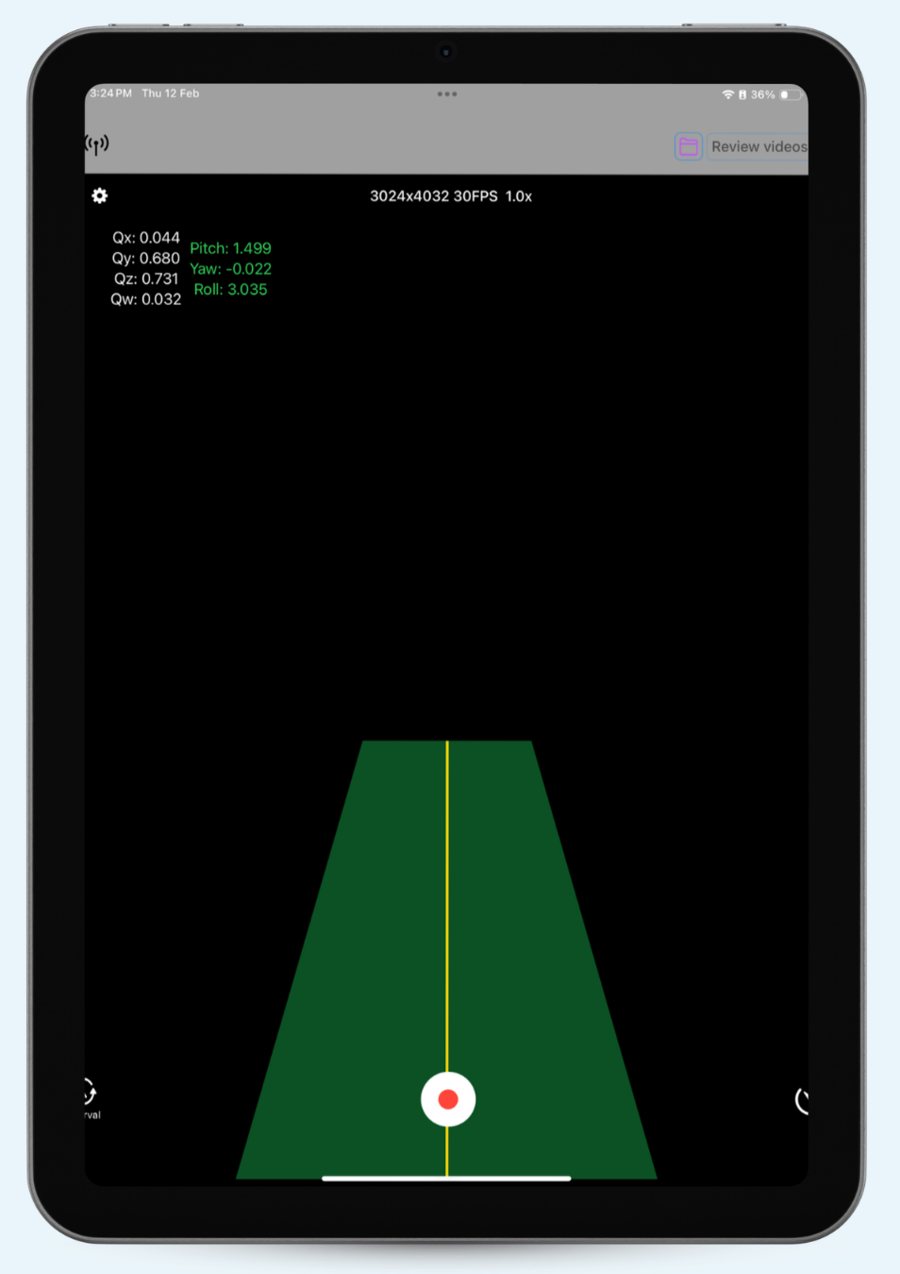
Record a short video of the assessment. No calibration, wearables or large space required.
-
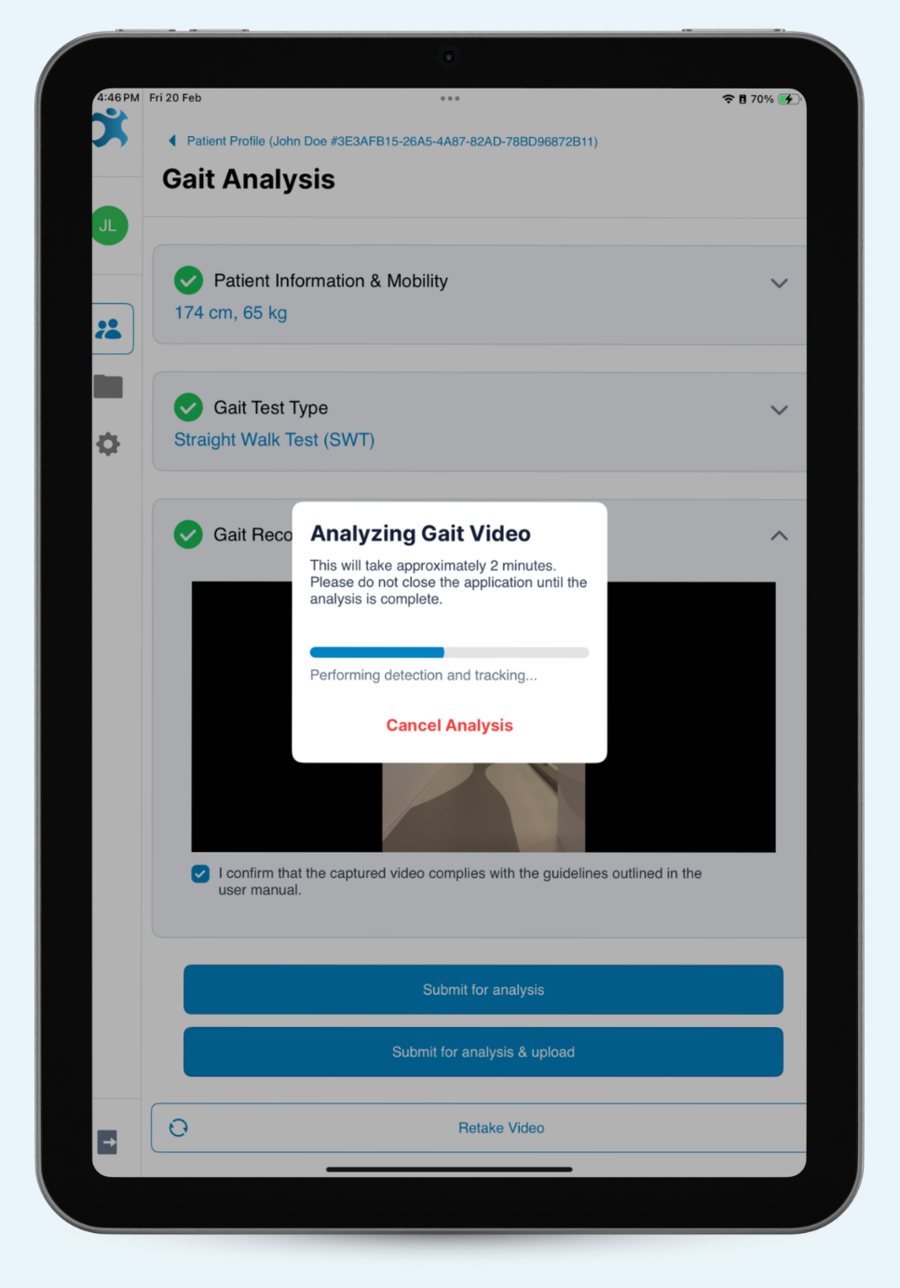
Results in under 2 minutes. Processed offline, so patient data stays on the device.
-
Compare objective measurements across assessments to track progress and plan care.
Inside the report
Over 50 objective measurements from a single assessment, compared against normative ranges and tracked over time.
-
Angular
Joint and segment angles, including range of motion and left-right asymmetry.
-
Spatial
Step and stride length, step width, and walking speed.
-
Temporal
Cadence, stance and swing phases, and single and double support time.
What clinical teams are saying
See all case studiesNational Neuroscience Institute
“Subjective feedback like pain levels can vary from person to person. CareCam allows us to objectively assess them, and develop better strategies for patient recovery.”
 Dr Damian Lee
Associate Consultant, Neurosurgery, National Neuroscience Institute (NNI)
Explore our solutions
-
FDA Class II 510(k)-exempt · HSA Class A
3DGait
3D gait analysis designed for routine care
Explore 3DGait -
In clinical study
Vis-Frailty
Self-guided frailty screening designed for population health
Explore Vis-Frailty