

Pre-surgical testing guidelines: how assessment supports care before and after surgery
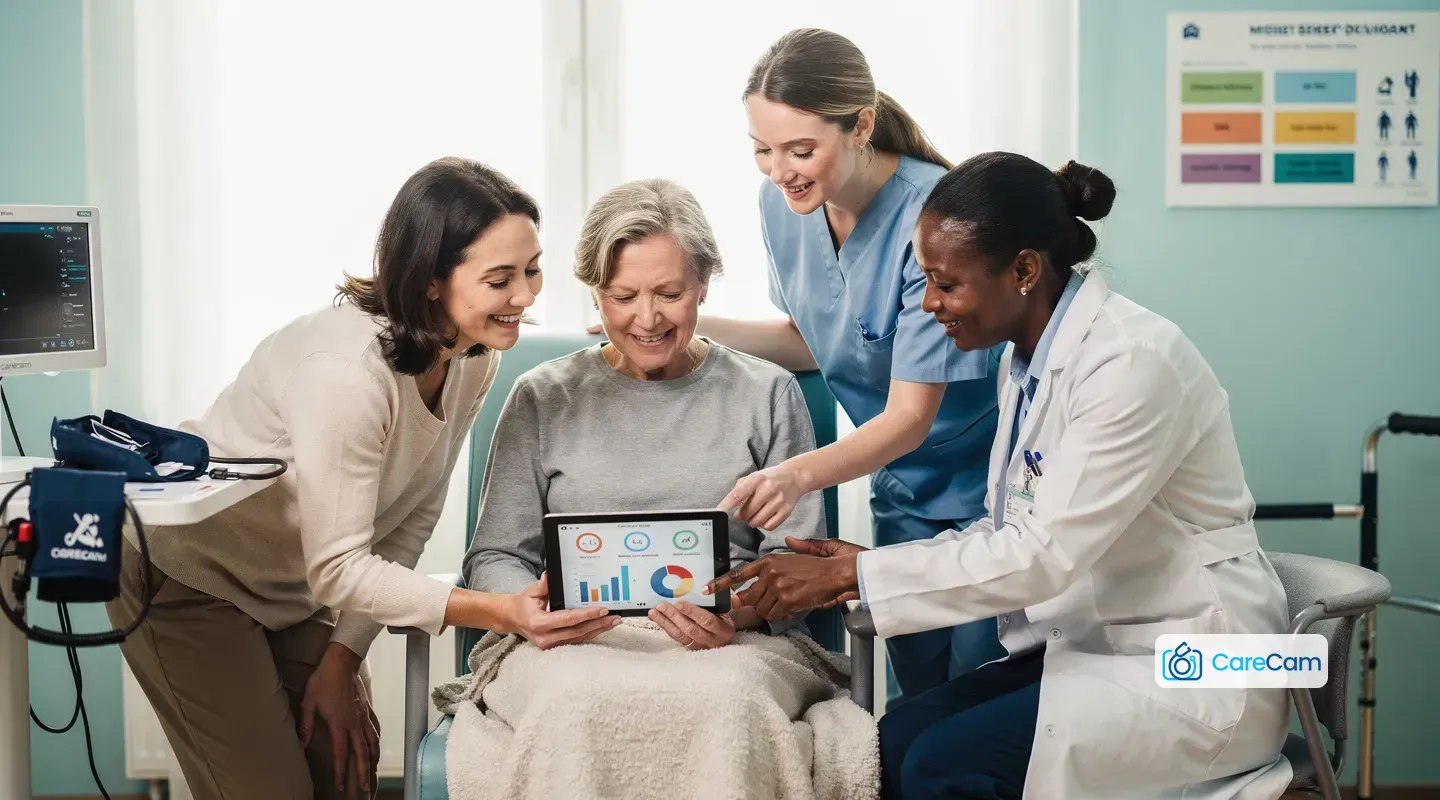
What does a pre-operative assessment include beyond testing?
A pre-operative assessment is broader than a list of tests. For adults having elective surgery, pre-operative evaluation forms part of peri-operative management, while tests check for conditions that may affect treatment and care before or after surgery. The assessment brings those questions together around the planned procedure.
A wider review considers your loved one’s clinical history, existing conditions, and physical examination findings. It also considers what information could affect treatment, anaesthetic choices, or care after surgery. Testing is one way to gather that information, while the assessment gives it a place in the overall plan.
This distinction explains why a test list cannot stand alone. A test may check for a condition, while the broader review considers what the result would mean for care before or after the operation. The relevant clinical team connects those findings with the planned procedure and the wider clinical picture.
We offer a baseline assessment before surgery that serves as a reference point for future assessments. That baseline is one part of the care record. It sits alongside the clinical review and any medical tests selected for your loved one’s situation.
Why do planned surgery and clinical context shape testing?
The planned surgery and your loved one’s clinical context shape which preoperative tests are considered. The choice should reflect clinical history, comorbidities, and physical examination findings. These factors help the relevant team decide which questions need an answer before the procedure.
A guideline for adults having elective surgery addresses minor, intermediate, and major or complex procedures. That range shows why the operation itself matters. Different procedures create different care questions, so guidance for one procedure category cannot automatically become a testing plan for another.
Your loved one’s existing conditions may add further context. The clinical history may raise one question, the physical examination may add another, and the planned operation may determine whether a result could affect care. Test selection brings these details together rather than treating them as separate checklist items.
For caregivers, the practical meaning is clear: the operation name alone cannot explain every test decision. General guidance describes a framework. The relevant clinical team applies that framework to your loved one’s health information, planned surgery, and expected care before and after the procedure.
That framework also explains why the same operation does not create an identical assessment for every patient. Clinical history, existing conditions, and examination findings can change which questions need answers. A procedure category gives the team a starting frame; the person’s context gives that frame meaning. This is why a general guideline can describe categories without supplying a personal testing schedule. It also keeps the distinction between information and decision clear: guidance describes the kinds of questions considered, while the relevant clinical team determines which information belongs in the assessment. For caregivers, the pathway is easier to follow when a test is understood as one response to a clinical question linked to the operation’s context.
What kinds of tests may appear in general guidance?
General preoperative guidance may mention chest radiography, electrocardiography, laboratory testing, and urinalysis. These are examples of testing categories, not a standard set for every person preparing for surgery. Their place depends on the clinical information and the operation being considered.
Chest radiography and electrocardiography are separate forms of testing, while laboratory testing and urinalysis cover other types of clinical information. Listing these categories helps you recognise terms that may appear in a care discussion. It does not show that any particular test is needed for your loved one.
The elective-surgery guideline addresses adults having minor, intermediate, and major or complex procedures. Its defined scope matters. A general example from that guidance does not establish a requirement for emergency surgery, another population, or a different healthcare system.
We bring objective, self-guided screening to primary care and community settings. This screening is a separate source of information from laboratory testing, imaging, or other medical investigations.
Those categories also show why a test name alone says little about its place in care. A category tells the reader what kind of information a test may provide; the clinical context determines whether that information belongs in the assessment. CareCam’s objective, self-guided screening adds information about movement and function, which is different from laboratory testing, imaging, or urinalysis. When these sources appear in one care record, each should be read according to its role. Medical testing and movement screening can sit alongside the history and examination findings considered by the clinical team. The record can be understood as a collection of different inputs, with no single checklist applying to every operation.

Why can routine testing differ from appropriate testing?
Preoperative tests can help with risk stratification, anaesthetic choices, and post-operative management. Risk stratification means using available information to organise peri-operative concerns. The same source also reports that some tests are obtained because of protocol rather than medical necessity.
Routine ordering can create problems when a test has no clear effect on care. Unnecessary perioperative tests can delay treatment and make surgical-care planning less efficient. That possibility gives the purpose of each test a place in the wider assessment discussion.
Inappropriate routine testing can also increase healthcare costs. The point is not to judge a test from its name alone. The relevant question is whether the information has a defined use in treatment, anaesthetic planning, or care after surgery.
A familiar protocol may produce a common testing pattern, while your loved one’s history, conditions, and examination findings may provide a different clinical context. General guidance describes the preferred clinical basis for test selection. The relevant team determines how that basis applies to the planned operation.
Who determines the assessment components?
The relevant clinical team determines the assessment components for a planned operation. Test selection should reflect your loved one’s clinical history, comorbidities, and physical examination findings. Those details help the team decide which tests or other assessment information have a place in care planning.
Guidelines can organise choices by procedure category and describe examples of routine investigation. They provide general information. The clinical team applies that information to the planned surgery, the person’s health information, and the care available before and after the procedure.
The assessment may consider whether a result could affect treatment, anaesthetic choices, or post-operative management. A general list cannot answer that question for your loved one. The decision depends on the clinical information available to the team and the procedure under consideration.
We support assessment before and after surgery and aid discharge planning for hospitals. Our role can add structured information to care-team review.
Where does frailty assessment fit before surgery?
Frailty assessment adds information about frailty status and function to the pre-operative review. The CPOC-BGS guideline says teams should reassess and document frailty with a validated tool for people aged over 65 and for people under 65 who are at risk of frailty.
The same guideline describes documenting conditions that often coexist with frailty, including sarcopenia, malnutrition, multimorbidity, and cognitive impairment. It also calls for up-to-date information about functional status. These details broaden the picture beyond a single laboratory result or physical finding.
Frailty assessment can support shared decision-making with patients and families before surgery. It gives the clinical discussion information about function and related conditions alongside the planned procedure. That information can help frame the topics considered by the patient, family, and clinical team.
For people living with frailty or associated syndromes, the CPOC-BGS guideline recommends referral to a perioperative frailty team with comprehensive geriatric assessment expertise when its CFS threshold is 5 or higher. This is guidance from that named source, not a universal rule for every care setting.
We describe frailty as commonly assessed with questionnaires and physical tests carried out by trained care teams. Frailty assessment contributes information to clinical review. It does not, by itself, diagnose your loved one or decide treatment.
Frailty review can connect several kinds of information that are easy to view separately. Frailty status describes the focus of the review; functional status describes what is known about function; related conditions add clinical context. The guideline’s emphasis on keeping this information up to date shows why a single test result cannot represent the whole frailty picture. CareCam describes questionnaires and physical tests as common ways trained care teams assess frailty, while the wider clinical discussion considers that information with the planned surgery. For families, this helps explain why frailty assessment can appear alongside other tests and why it can inform shared decision-making without deciding treatment on its own.

How can fall risk and movement measures add context?
Objective movement screening adds another form of information to that record. This information can be reviewed with the wider clinical picture rather than treated as a complete medical assessment. It records movement and function, while the broader assessment brings together history, examination findings, and other clinical information. Keeping these roles separate explains how an objective measure can be part of care without becoming a diagnosis or a treatment decision. The measure adds context; it does not settle the meaning of the wider record.
CareCam describes several related information sources within this boundary. We offer a baseline assessment before surgery as a reference point for future assessments. Traditional fall risk assessment combines screening questions with timed tests, which can vary between assessors. CareCam also brings objective, self-guided screening to primary care and community settings. These details describe information sources and settings; they don’t turn a movement result into a diagnosis or a forecast. The baseline gives later assessments something to be compared with, while fall risk screening and movement screening address related parts of the wider record. Together, they explain why objective movement information can sit beside clinical history, examination findings, and medical tests without taking their place. The care team still interprets the full record.
For caregivers, the useful distinction is between movement information and a medical conclusion. A fall risk assessment or movement measure can contribute observations for review. The relevant clinical team decides what those observations mean alongside history, examination findings, and other assessment information.
Movement measures do not diagnose a condition, predict that a fall will occur, decide treatment, or replace the clinical assessment. They have a narrower role: adding information about movement and function to the record used by the care team.
How can assessment information continue into post-operative care?
Assessment information can continue from the period before surgery into post-operative recovery. We allow care teams to track changes in mobility and function, supporting timely adjustments to care. Later observations can be considered beside earlier information rather than viewed in isolation.
We are used in hospitals and rehabilitation for assessments during recovery and before discharge. These settings give movement review a place within the wider care record, where recovery information and discharge planning are already being considered by the relevant professionals.
A change in mobility or function is information for care-team review. It does not establish the cause of that change or predict what will happen next. The clinical team considers it with your loved one’s procedure, clinical history, examination findings, and other relevant information.
This continuity connects assessment before surgery with observations during recovery and before discharge. It gives the care team a way to compare information across stages of care. It does not promise a particular recovery result or remove the need for clinical decisions about treatment and discharge.

What does this mean for caregivers?
For you, the assessment pathway explains why preparation can include more than a medical test. A review of recovery experiences after major elective noncardiac surgery identifies education and preparation for surgery and discharge as clinical-practice considerations for older adults and caregivers.
Preparation gives the care process a wider frame. The information discussed before surgery may relate to function, recovery, and what care could involve after discharge. The review treats caregiver and older-adult preparation as part of clinical practice.
This helps explain why a care record may contain test results, frailty information, movement measures, recovery observations, and discharge planning. Each item has a different role. None of them represents the whole clinical picture on its own.
Patient support becomes easier to understand when these roles remain connected. You can recognise the difference between a test, a frailty assessment, a movement measure, and a care-planning discussion without treating any single result as a diagnosis or a forecast.
That shared vocabulary can help caregivers understand why a care discussion may move between test results, function, mobility, frailty, and discharge planning. The items answer different questions and may appear at different points before or after surgery. A review of recovery experiences identifies education and preparation for surgery and discharge as clinical-practice considerations for older adults and caregivers. In that setting, patient support includes understanding how information is organised around care, while clinical interpretation remains with the relevant professionals. This keeps the caregiver’s role visible in the care pathway without turning general information into a personal checklist or treatment instruction.
Get support for the next stage of care planning
The main point is simple: pre-operative assessment is the wider process, and testing is one part of it. Planned surgery, clinical history, existing conditions, and examination findings shape the assessment components selected for care.
Frailty assessment, fall risk assessment, and movement information can each add context before surgery and through post-operative recovery. Their roles remain limited to the information they provide within the wider clinical review.
A qualified clinical professional must decide what is suitable for your loved one and the planned procedure. Use this explanation to understand the pathway while keeping personal testing and treatment decisions within that professional assessment.
What remains outside general pre-surgical testing guidance?
Are pre-surgical testing guidelines the same in every country?
No. Guidance can be written for a specific health system, population, and type of surgery. The examples discussed here come from sources outside Singapore, so they explain general principles rather than Singapore policy or a universal testing requirement.
Can a movement assessment replace medical pre-operative tests?
No. A movement assessment provides information about mobility and function. Medical tests, history, examination findings, and the planned operation address different clinical questions, and the relevant clinical team determines how each part fits into care.
How is frailty assessment different from fall risk assessment?
Frailty assessment considers frailty status, function, and conditions that may occur alongside frailty. Fall risk assessment focuses on information related to falling, such as screening questions and timed tests. Both can contribute information to a wider pre-operative review without diagnosing a condition or deciding treatment.
Next step
Have a question for CareCam?
Technical and clinical questions go to the team who built 3DGait and Vis-Frailty.
Get in touch